Product Page

Animals Worksheets For Grade 5

Animals worksheets for grade 5 students cover different topics related to animals such as feeding habits, adaptation, body coverings, habitat and breathing organs. We provide multiple worksheets on each sub-topic and each worsheet has 5-worksheets with unique questions. This provides ample material for the students to master the topic.

Tags: Grade-5 worksheets, Grade-5 Science worksheets, Grade-5 EVS worksheets, Grade-5 animals worksheets, Animals feeding habits worksheets, Animals reproduction worksheets, Animals lifecycle worksheets, Instant download, PDF worsheets, Printable worksheets.

📚 Upgrade to the Grade 5 EVS Workbook Series

Avoid printing loose sheets individually. Choose a structured approach tailored to your child's exact academic goals:

  • Comprehensive Workbooks: Covers the entire syllabus sequentially with 2 worksheets per topic. Ideal for full-term revision.
  • Chapter-Wise Workbooks: Deep-dives covering specific chapters with ~5 worksheets per sub-topic for concept mastery.
  • Workbook Bundles: Get the complete collection of all chapter workbooks grouped together in 1-click for maximum value.

Animals Feeding Habits

Herbivores, carnivores, and omnivores are key parts of the food chain. Herbivores eat only plants, like cows and deer. Carnivores, such as lions and tigers, consume other animals. Omnivores, like humans and bears, eat both plants and animals. The food chain shows how energy moves through an ecosystem, starting with plants (producers), followed by herbivores, carnivores, and omnivores, forming a balance in nature’s ecosystem.

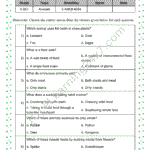
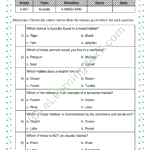
Animals Feeding Habits MCQs

Add To Wish List

has been added to your cart!

have been added to your cart!

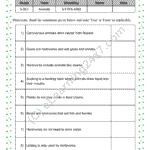
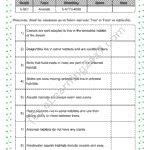
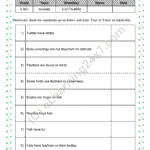
Animals Feeding Habits True Or False

Add To Wish List

has been added to your cart!

have been added to your cart!

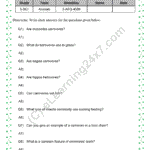
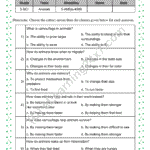
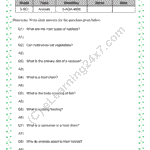
Animals Feeding Habits Q&A

Add To Wish List

has been added to your cart!

have been added to your cart!

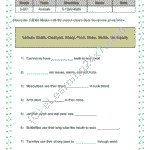
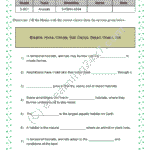
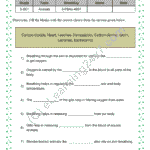
Animals Feeding Habits : Fill The Blanks

Add To Wish List

has been added to your cart!

have been added to your cart!

Animals Habitat

Animals live in various habitats that suit their survival needs. Forests are home to creatures like deer, birds, and insects, providing food and shelter. Deserts, with their extreme temperatures, support animals such as camels and lizards, which are adapted to conserve water. Aquatic habitats, like oceans and rivers, host fish, frogs, and turtles. Grasslands are inhabited by animals like zebras and lions, while polar regions are home to seals and polar bears, all adapted to their unique environments.

Animals Habitat MCQs

Add To Wish List

has been added to your cart!

have been added to your cart!

Animals Habitat Fill The Blanks

Add To Wish List

has been added to your cart!

have been added to your cart!

Animals Habitat True Or False

Add To Wish List

has been added to your cart!

have been added to your cart!

Animals Adaptation

Adaptation is how animals change over time to survive in their environment. Different strategies help them thrive, such as mimicry, hibernation, migration, and camouflage. Mimicry allows animals to imitate other species for protection from predators. Hibernation is a deep sleep during winter that helps conserve energy. Migration is the seasonal movement of animals to find food or better climates. Camouflage helps animals blend into their surroundings, making it harder for predators to spot them.

Adaptation In Animals MCQs

Add To Wish List

has been added to your cart!

have been added to your cart!

Adaptation In Animals Fiill The Blanks

Add To Wish List

has been added to your cart!

have been added to your cart!

Adaptation In Animals True Or False

Add To Wish List

has been added to your cart!

have been added to your cart!

Animals Body Coverings

Animals have various body coverings that protect them and help them survive in their environments. Fur, feathers, scales, and skin are common types of body coverings. Fur keeps mammals warm and provides protection, while feathers help birds fly and keep them insulated. Scales, found on reptiles and fish, protect their bodies and reduce water loss. Skin can be smooth or rough, helping to regulate temperature and protect against harmful elements in the environment.

Animals Body Covering MCQs

Add To Wish List

has been added to your cart!

have been added to your cart!

Animals Body Covering Fill The Blanks

Add To Wish List

has been added to your cart!

have been added to your cart!

Animals Body Covering True Or False

Add To Wish List

has been added to your cart!

have been added to your cart!

Animals Breathing Organs

Different animals have unique breathing organs that help them take in oxygen from their environment. Mammals, including humans, breathe through the lungs, which allow for efficient gas exchange. Fish use gills to extract oxygen from water, while amphibians can breathe through both lungs and their skin. Insects have a network of tiny tubes called tracheae that deliver air directly to their tissues. Each breathing organ is specially adapted to suit the animal's habitat and lifestyle.


Animals Breathing Organs MCQs

Add To Wish List

has been added to your cart!

have been added to your cart!

Animals Breathing Organs Fill The Blanks

Add To Wish List

has been added to your cart!

have been added to your cart!

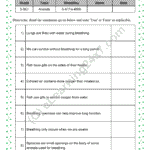
Animals Breathing Organs True Or False

Add To Wish List

has been added to your cart!

have been added to your cart!

Animals : Questions & Answers

Animals : Questions & Answers

Add To Wish List

has been added to your cart!

have been added to your cart!

Relevant Workbooks

Following workbooks also contain the study material covered here and much more.

Grade-5 Science Workbook – Food, Plants, & Animals

Add To Wish List

has been added to your cart!

have been added to your cart!

Comprehensive Science Workbook For Grade-5

Add To Wish List

has been added to your cart!

have been added to your cart!

Answers to all worksheets on this topic are bundled together and available for download below.

Answer Keys