Teaching multiplication tables can be a daunting task, often met with resistance from young learners who find rote memorization tedious and overwhelming. However, by employing engaging and interactive strategies for teaching tables, catering to diverse learning styles, educators can transform this seemingly dry subject into a fun and meaningful experience.
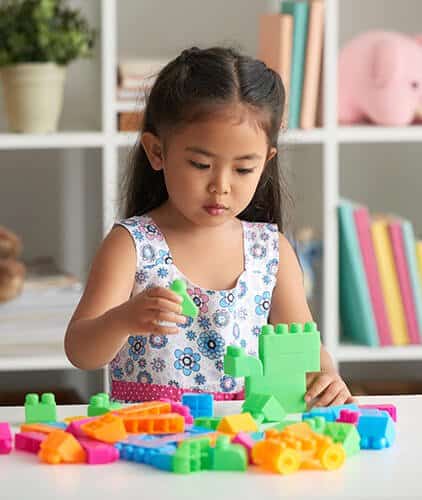
One effective approach is the use of visual aids and manipulatives. Children can utilize objects like counters, blocks, or even candies to physically represent multiplication problems. For example, when learning the “3 times table,” students can create three equal groups of objects, visually demonstrating the concept of repeated addition. This hands-on experience helps solidify understanding by connecting abstract concepts with concrete representations.
Furthermore, incorporating games and interactive activities can make learning enjoyable and engaging. Multiplication bingo, card games involving factors and products, or online educational platforms offering gamified multiplication drills can motivate children and foster a positive attitude towards the subject. These playful approaches encourage active participation and repetition without the pressure of formal assessment, leading to improved retention.
Another crucial aspect is emphasizing real-life applications. Connecting multiplication tables to everyday situations helps children understand the relevance and practicality of this mathematical concept. For instance, discussing scenarios like sharing cookies equally among friends, calculating the total cost of multiple items, or determining the number of tiles needed for a floor can make learning meaningful and relatable.
Finally, personalized learning plans are essential for addressing individual needs and learning styles. Some children might benefit from visual aids, while others might prefer auditory learning through rhythmic chants or songs. Providing differentiated instruction and allowing students to learn at their own pace fosters confidence and encourages a sense of accomplishment.
In conclusion, teaching multiplication tables to young children requires creativity, patience, and a multifaceted approach. By utilizing visual aids, engaging games, real-life applications, and personalized learning strategies, educators can transform this potentially challenging topic into a rewarding and enriching experience for young learners. Finally, you can also use the worksheets available at www.eLearning24x7.com to help your kid practice tables and dodge tables.
Related Posts