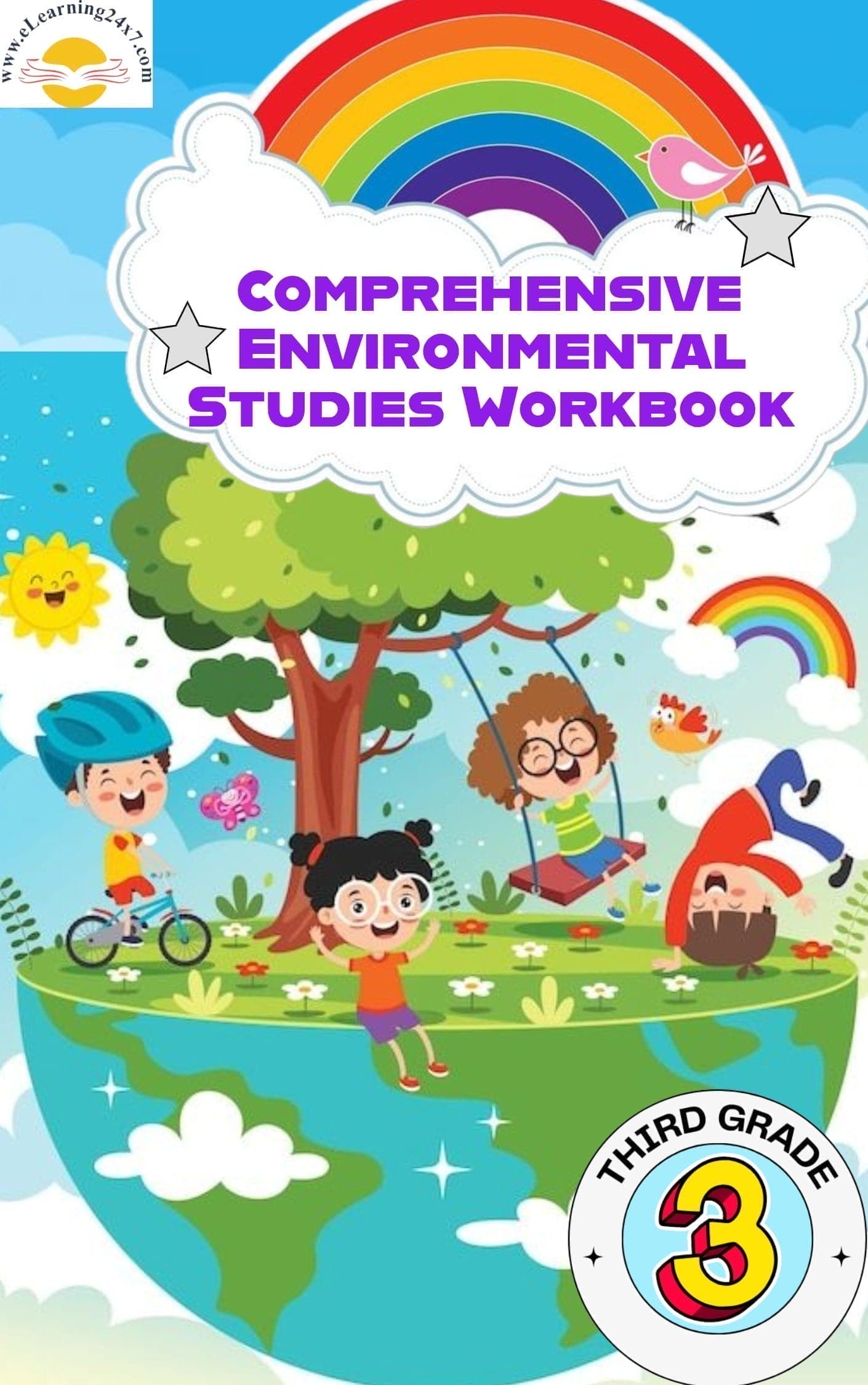
This comprehensive EVS workbook for grade-3 is designed to help students develop a strong foundation of fundamental concepts in science, social science, and environmental studies. This workbook provides a comprehensive and engaging approach to learning that encourages students to think through both sides of the brain while enhancing their analytical and logical reasoning skills.
The workbook includes worksheets on the following topics:
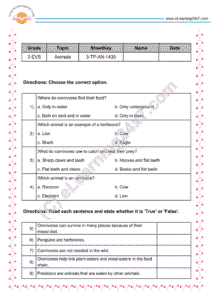
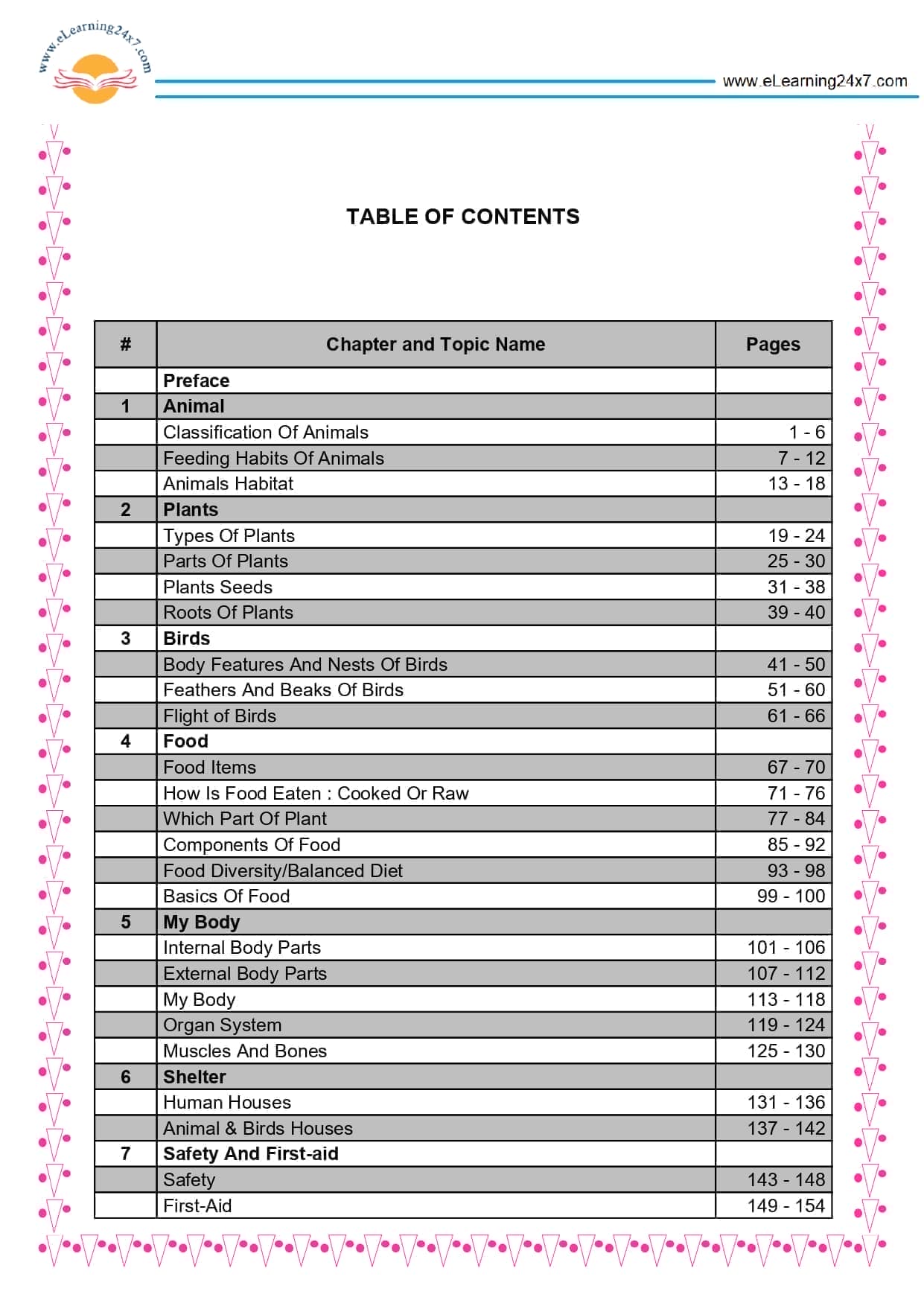
- Animals, classification, habitat, and feeding habits
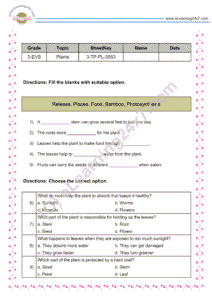
- Plants, types of plants, parts of plants, seeds, roots of plants
- Birds, flight of birds, feathers and beaks of birds, bird nests, birds features
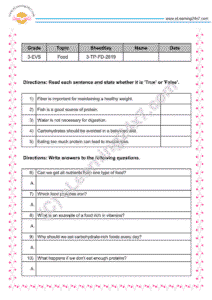
- Food components, balanced diet, etc
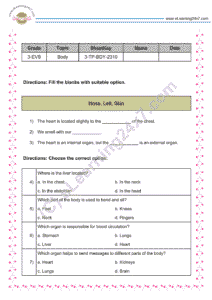
- My body parts - internal and external body parts, organ system, muscles and bones
- Shelter - types of houses, construction material and people
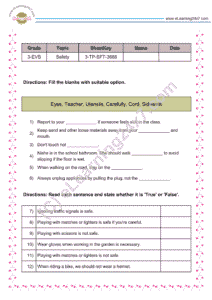
- Safety and first-aid
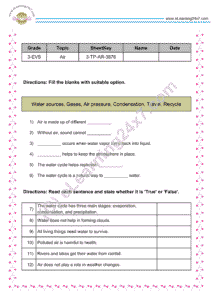
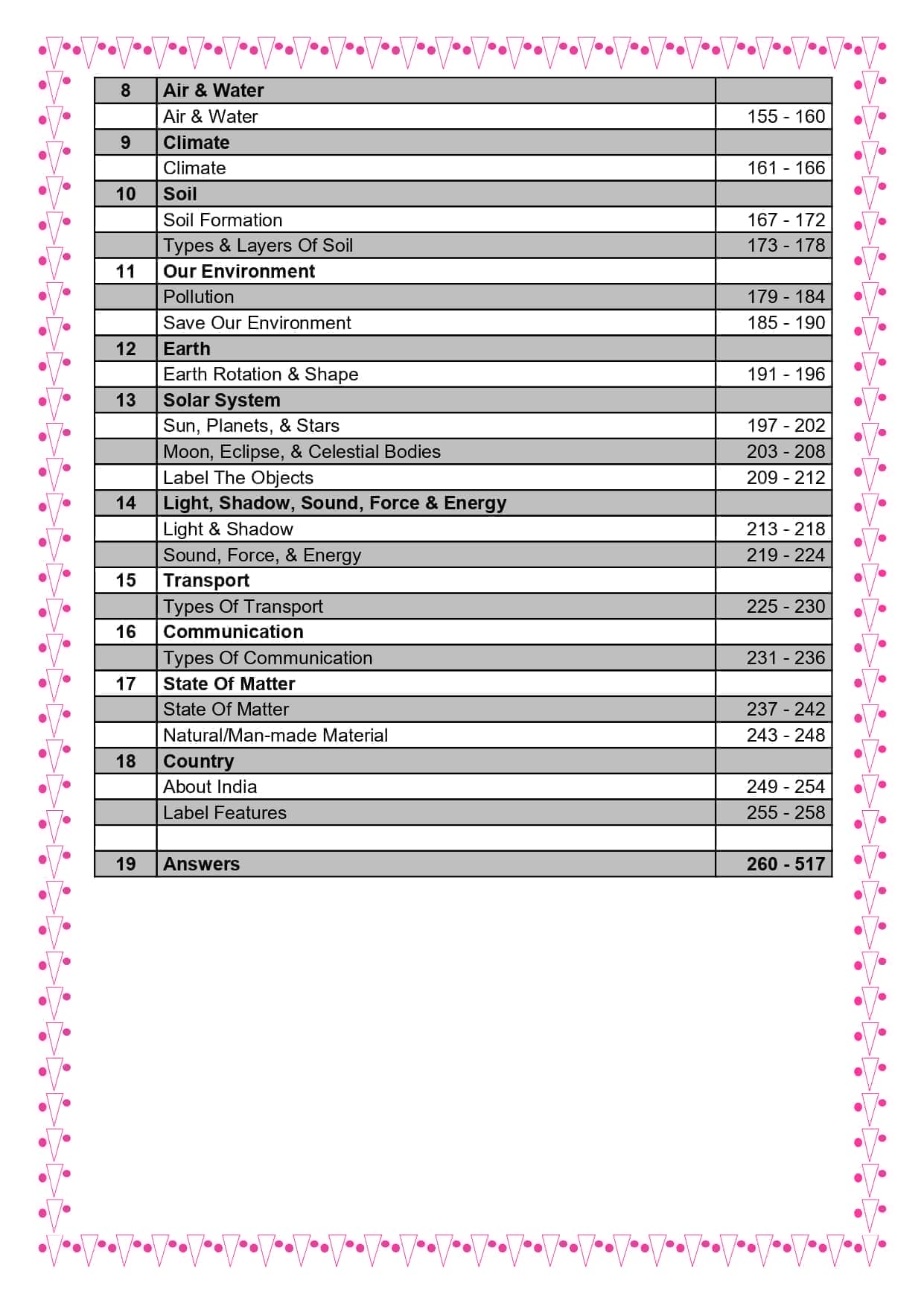
- Air & water
- Climate
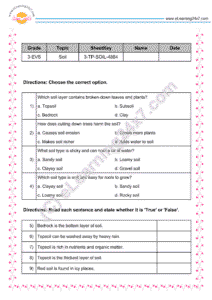
- Soil - types and layers of soils, formation of soil
- Our environment and pollution
- Earth
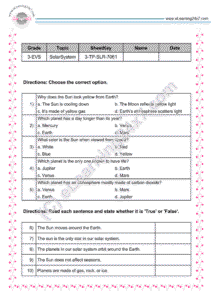
- Solar system
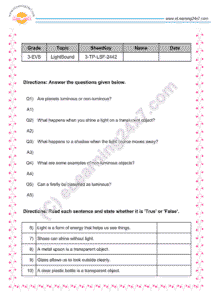
- Light, shadow, sound, force, & Energy
- Transportation and communication
- Our country
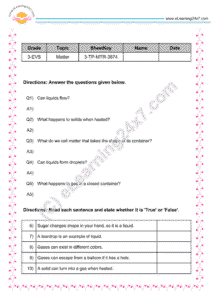
- State of matter
Salient features of the workbook
- Extensive child-friendly learning material – sufficient to master the subject completely
- In depth coverage of the subject
- Diverse set of questions to help kids understand the topic at hand
- Examples from real-life are included to help the child relate to the subject
- Deep learning of the concepts
- Very high retention of the concepts
- Gradually increasing complexity of the questions to help build confidence among children
- Answers are available in the workbook to check
- Number of chapters - 18
- Number of worksheets - 258
The comprehensive EVS workbook provides a comprehensive and engaging approach to learning sciences, social science and environment, fostering a love for learning and building a strong foundation for future academic success. The workbook is designed to captivate young minds while ensuring an age-appropriate strong understanding of essential concepts. With the depth and breadth in coverage of key concepts and engaging student-centricity, this workbook is an excellent resource for both students and teachers alike.
has been added to your cart!
have been added to your cart!